Access Versus Ownership: Why Having a Massage Chair at Home Transforms Self-Care From an Event Into a Practice
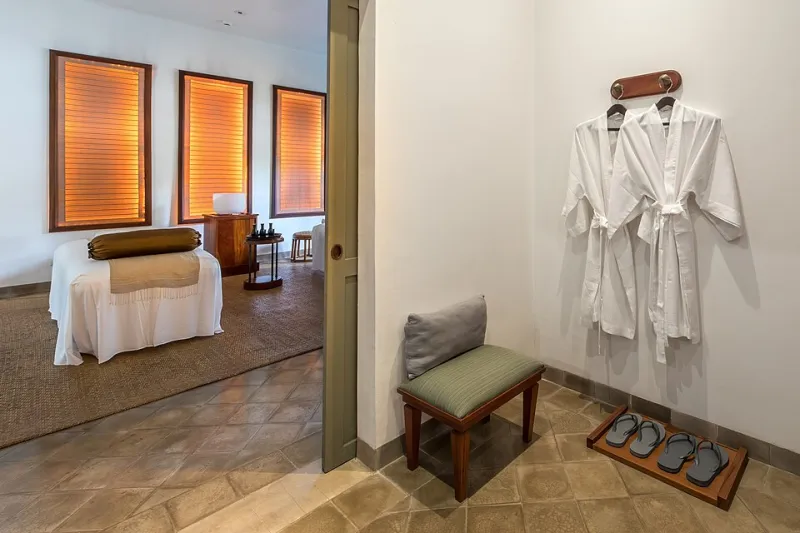
Photo: Basile Morin, CC BY-SA 4.0, via Wikimedia Commons
The Appointment That Never Quite Fits
Consider the familiar sequence. You recognize that your back is tight, your stress has been climbing for two weeks, and you genuinely need a massage. You search for availability at a local spa or massage studio. The earliest opening is four days away. You book it, and then life intervenes—a deadline, a family obligation, unexpected travel. You reschedule. The appointment lands ten days after the original need arose.
By the time you are on the table, some of the tension has calcified into something more stubborn. The session helps, but the window of optimal intervention passed quietly while you were waiting for a calendar slot.
This is the fundamental limitation of rented wellness—and it is a limitation that most Americans have simply accepted as the natural condition of self-care.
The Psychology of Ownership in Wellness
Behavioral economists have long studied the difference between how people engage with things they own versus things they access on a transactional basis. Ownership changes behavior in measurable ways. People use what they own more consistently, integrate it more deeply into their routines, and derive compounding value from it over time rather than episodic value from one-off transactions.
This dynamic applies directly to wellness tools. A massage chair in your home is not simply a more convenient version of a spa visit. It is a categorically different relationship with the practice of recovery. The chair does not require an appointment. It does not close at nine on a Tuesday evening. It does not charge an additional gratuity. It is simply present—available in the ten minutes before a call, in the hour after a difficult commute, at eleven at night when the day has finally gone quiet.
That availability changes the calculus of self-care from a logistical negotiation into a simple decision.
Consistency Is the Variable That Matters Most
In nearly every domain of health science, the research on consistency dwarfs the research on intensity. A modest intervention practiced regularly outperforms an aggressive intervention practiced occasionally. This is true for exercise, nutrition, sleep hygiene, and—critically—therapeutic massage.
The physiological benefits that make massage valuable—improved lymphatic circulation, reduced cortisol levels, enhanced vagal tone, relief from myofascial tension—are cumulative. They build on themselves when applied regularly and dissipate between sessions that are spaced too far apart. A monthly spa visit, however excellent, cannot maintain the neurological and circulatory benefits that twice-weekly home sessions can sustain.
Owning a premium massage chair is, in this sense, not a luxury decision. It is a consistency decision. It removes the primary barrier to regular therapeutic practice: the friction of access.
The Financial Case Deserves an Honest Look
The upfront cost of a high-quality Japanese massage chair is significant, and it would be intellectually dishonest to dismiss that reality. But the financial comparison that most consumers make—sticker price versus nothing—is the wrong comparison. The relevant comparison is sticker price versus the cumulative cost of the alternative.
A professional massage session in most American metropolitan areas currently runs between $80 and $150 for a 60-minute session, before gratuity. For someone who visits twice a month, that represents an annual expenditure of between $1,920 and $3,600—every year, indefinitely. A premium Japanese massage chair, amortized over a conservative ten-year lifespan, typically costs a fraction of that annual figure per year of use.
Beyond the raw mathematics, ownership eliminates the category of sessions that never happen. Every spa appointment that gets canceled due to scheduling conflicts, illness, or travel represents money that was either spent on a missed session or saved by not booking—but either way, the therapeutic benefit was never received. The chair at home delivers its value precisely when other options fall through.
What Japanese Wellness Philosophy Understands About Ritual
Japanese wellness culture places particular emphasis on the concept of ritual consistency—the idea that small, repeated practices performed with intention accumulate into profound health outcomes over time. This philosophy is evident in everything from the Japanese approach to bathing (ofuro) to the structured practice of daily movement embedded in corporate and community life.
The integration of a massage chair into the home environment reflects this philosophy. It is not a device for occasional indulgence. It is a fixture of the daily recovery architecture—as routine as the evening bath or the morning stretch. When wellness is designed into the environment rather than scheduled around it, it stops being something you do when circumstances allow and becomes something you simply do.
American self-care culture, by contrast, tends to treat recovery as a reward—something earned after sufficient productivity rather than something maintained as a prerequisite for it. The ownership model challenges that framing at its foundation.
The Commitment Signal That Changes Behavior
There is a subtler psychological dimension to ownership that is worth naming directly. When a person makes a significant investment in a wellness tool, that investment sends a signal—first to themselves—about the seriousness of their commitment to their own health. This signal has measurable behavioral consequences.
Research in behavioral psychology consistently demonstrates that people who make tangible, visible commitments to a goal are more likely to follow through than those who maintain purely abstract intentions. A massage chair in the living room or home office is a daily, physical reminder of a commitment made. It is harder to deprioritize recovery when the instrument of recovery is present in your environment and has already been paid for.
Spa visits, by contrast, require a fresh act of commitment each time—a new booking, a new expenditure decision, a new negotiation with a busy calendar. The ownership model eliminates that friction and replaces it with a standing invitation.
Self-Care That Belongs to You
There is something worth acknowledging about what it means to have a premium wellness tool that is entirely yours. No wait times. No intake forms. No ambient awareness of other clients or the professional clock ticking toward the end of your session. The experience is private, unhurried, and available on your terms.
For busy professionals and high-achieving Americans who spend their days navigating shared environments and competing demands, this kind of unambiguous ownership of a recovery practice is not a small thing. It is the difference between wellness that fits around your life and wellness that is woven into it.
The spa will always have its place. But the relationship between a person and their health is ultimately a daily one—and daily relationships require daily access.