Your 2 PM Energy Crash Is a Biological Message—Here Is What Your Body Is Actually Asking For

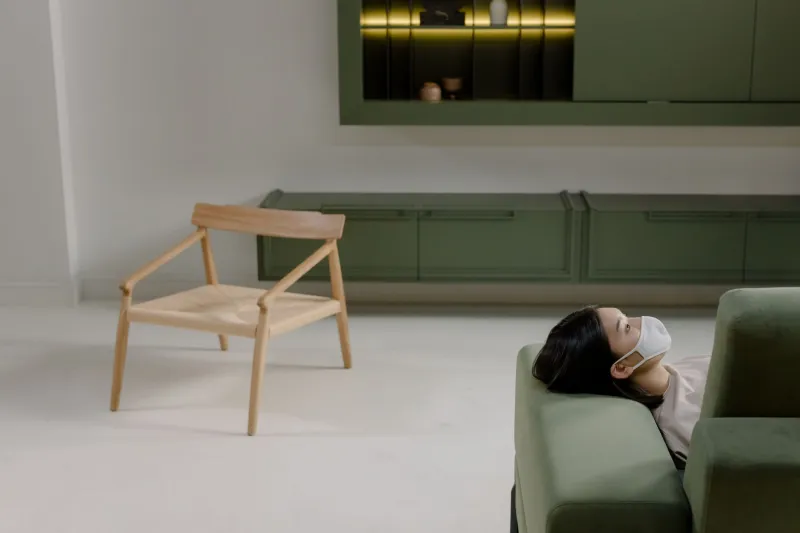
Photo by Photo by Vitaly Gariev on Unsplash on Unsplash
The Clock Inside You Has an Opinion About Your Afternoon
At some point during the workday—usually somewhere between two and three in the afternoon—a familiar fog descends. Focus softens. The screen blurs slightly. Motivation, which felt solid enough at nine in the morning, seems to have quietly packed its bags and left without notice.
Most Americans interpret this as a personal failure of discipline or a side effect of a heavy lunch. The instinctive remedy is a second or third cup of coffee. But the science of human chronobiology tells a different story entirely—one that has nothing to do with willpower and everything to do with the body's internal architecture.
That afternoon slump is a circadian signal. And like most biological signals, it deserves a response that works with the body rather than against it.
What the Circadian System Is Actually Doing
The human body operates on a roughly 24-hour internal clock governed by the suprachiasmatic nucleus, a small cluster of neurons in the hypothalamus. This clock regulates far more than sleep and waking. It coordinates hormone secretion, core body temperature, digestive activity, and alertness levels across the entire day.
Research in chronobiology has consistently documented a secondary dip in alertness that occurs approximately seven to eight hours after waking—regardless of whether a person has eaten lunch. This dip corresponds with a transient drop in core body temperature and a brief surge in melatonin precursors, the same chemistry that initiates nighttime sleep. In cultures where midday rest is normalized—something deeply embedded in Japanese wellness philosophy—this window is treated as a natural invitation to pause and recover.
In the American workplace, it is treated as an inconvenience to be chemically overridden.
Why Caffeine Is the Wrong Answer to the Right Question
Caffeine works by blocking adenosine receptors in the brain. Adenosine is a chemical that accumulates throughout the day and gradually increases the sensation of tiredness. When caffeine occupies those receptors, the fatigue signal is masked—but the adenosine itself continues to build. The result is a temporary reprieve followed by a rebound crash, often arriving just when the final hours of the workday demand sustained concentration.
Beyond the crash, habitual afternoon caffeine consumption delays melatonin onset by an average of 40 minutes, according to research published in the Journal of Clinical Sleep Medicine. That means the coffee consumed at 2:30 PM is measurably degrading the quality of sleep that begins at 11:00 PM—and poor sleep, in turn, makes the next afternoon slump more severe. It is a cycle that perpetuates the very problem it appears to solve.
The circadian system does not want stimulation during this window. It wants movement, circulation, and a brief neurological reset.
What Circulation Has to Do With Afternoon Alertness
One of the primary physiological contributors to the afternoon energy dip is the redistribution of blood flow. After the midday meal, the digestive system draws a significant portion of circulating blood away from the brain and skeletal muscles. Combined with the prolonged compression of seated desk work—which slows venous return from the lower extremities—the result is reduced cerebral perfusion at precisely the moment the circadian system is already signaling a pause.
This is where mechanical massage becomes physiologically relevant rather than merely luxurious.
A quality massage chair session of fifteen to twenty minutes applies rhythmic compression and kneading across the major muscle groups of the back, legs, and glutes—the same areas most compromised by extended sitting. This mechanical stimulation accelerates venous return, encourages lymphatic flow, and prompts the peripheral vascular system to dilate. Blood that was pooling in the lower body is redirected back into general circulation, including toward the brain.
The practical result is a measurable increase in alertness that arrives without the chemical dependency or downstream sleep disruption associated with stimulants.
The Nervous System Recalibration That Caffeine Cannot Provide
Beyond circulation, the afternoon slump involves an imbalance in the autonomic nervous system. Extended periods of cognitive work and ambient workplace stress keep the sympathetic nervous system—the body's alert, action-oriented mode—in a state of chronic low-grade activation. Over the course of a morning, this sustained activation depletes neurochemical resources and contributes to the mental fatigue that surfaces in the early afternoon.
Mechanical massage, particularly techniques that apply sustained pressure to the paraspinal muscles and the base of the skull, has been shown to stimulate the vagus nerve—the primary pathway of the parasympathetic nervous system. Parasympathetic activation is not sedation; it is recovery. It clears the neurological debt accumulated during focused work and prepares the nervous system for another sustained cycle of high-quality output.
Japanese massage chair engineering, with its precise mapping of shiatsu pressure points along the spine, is specifically designed to engage this pathway. The outcome is not drowsiness but what practitioners in occupational health sometimes call alert calm—a state of low arousal and high cognitive clarity that is, neurologically speaking, optimal for afternoon productivity.
Working With Your Biology Instead of Against It
The most productive response to the 2 PM signal is not suppression—it is strategic engagement. A brief mechanical massage session during the circadian dip window does several things simultaneously: it restores circulation, activates the parasympathetic nervous system, decompresses the lumbar spine after hours of seated compression, and delivers the physical movement the body is biologically requesting.
When the session ends, the body returns to activity not in a chemically forced state of artificial alertness but in a genuinely restored physiological condition. Core temperature, which dipped during the slump, begins to rise again. Cortisol levels, which follow a natural afternoon resurgence in healthy individuals, are better positioned to support sustained focus. The remainder of the workday becomes qualitatively different.
Japanese wellness culture has long understood that rest and productivity are not opposites. They are sequential partners. The afternoon pause is not lost time—it is the investment that makes the next four hours worth having.
A Practical Reframe for Desk Workers
For American professionals who have spent years fighting their circadian rhythm with caffeine and sheer determination, this reframe can feel counterintuitive. Stopping work to use a massage chair at 2 PM may seem indulgent. The physiology disagrees.
The body's afternoon signal is not asking for permission to be lazy. It is requesting a specific intervention: improved blood flow, nervous system recalibration, and relief from postural compression. A premium Japanese massage chair, positioned within reach of the home office or living space, provides exactly that intervention—on demand, in minutes, without a commute to a spa or a scheduling conflict with a massage therapist.
The afternoon slump is not your enemy. It is your most honest biological advisor. The question is whether you are listening to it—or simply trying to shout it down.